PC38X keeps the mic with the headset
Drop + EPOS PC38X combines open-back headphone cups with an attached boom and flip-to-mute action. The headset includes PC splitter and console cable options for different connections. EPOS lists 28-ohm impedance, and TechRadar measured its weight at 253 g.
That setup suits a small desk or a player who wants voice chat without a separate stand. The tradeoff is that the mic and its controls stay attached to the headset, so you cannot move the microphone away from the ear cups.
HD 560S and AM8 put the controls apart
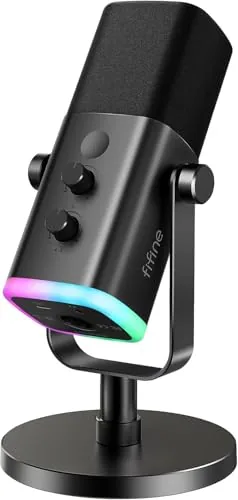
Sennheiser lists the HD 560S at 280 g and 120 ohms. It is open-back and has no microphone. FIFINE’s AM8 is a dynamic cardioid USB-C/XLR mic with an included desktop stand, gain control, mute, and headphone monitoring. Keep the mic close enough for clear voice and adjust its gain; the pickup pattern does not guarantee that keyboard sounds disappear.
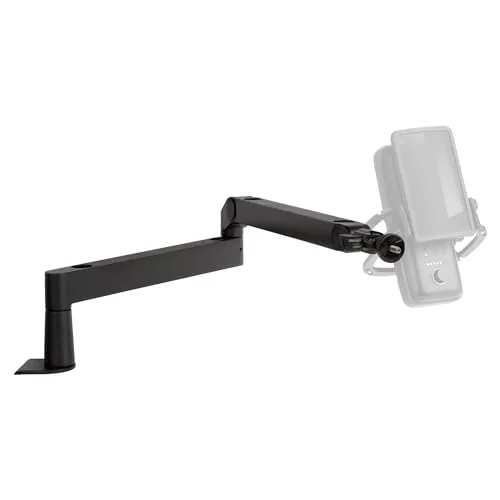
Podcastage’s review discusses the supplied mount and positioning. Elgato’s Wave Mic Arm LP is optional if the AM8’s desktop stand blocks mouse space; its listed reach is 740 mm and it supports up to 2 kg. The arm image shows a mic mounted for illustration, but the arm listing does not include one.
Open-back sound leaves the room connected
Both headphones have open-back cups: room sound gets in, and audio can leak to nearby people or microphones. They are a poor fit when you need isolation from a fan, roommate, or conversation.
RTINGS and SoundGuys provide independent HD 560S audio measurements; RTINGS also reviews PC38X. Use them for comparison, not as a guarantee of fit in your room.
Put voice chat where your desk can support it
PC38X keeps the boom with the headset. HD 560S and AM8 let you reposition the mic, but require a stand or arm. Choose the integrated boom for fewer desk pieces; choose the separate mic if its placement matters more.
See the open-back vs wireless headset guide, the WoW hub, and the FFXIV hub.